

Too Much, Too Early
A Rom-Com Guide to New York City

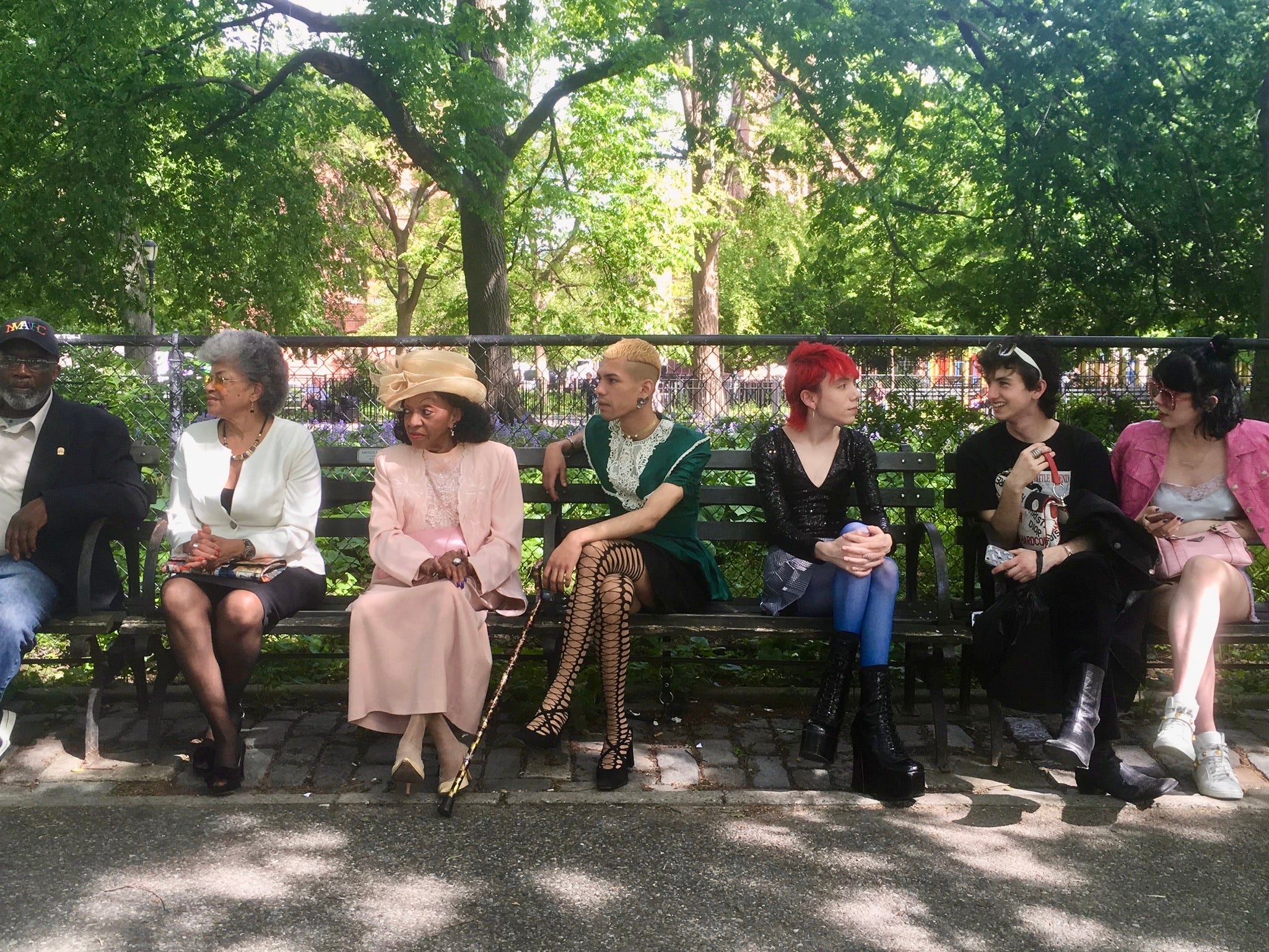
I am a career location scout for film and television. Recently, the brilliant writer Adriane Quinlan profiled me for New York Magazine's Reasons to Love New York and did a much more succinct and less tortured job of explaining what I do than I ever could. My job is to find the spaces that bridge the gap between imagination and reality, a distance that requires a kind of third eye—one that sees what could be instead of simply what is. Sometimes, because we've grown up inside these fantasies, we lose our bearings and begin to think we're all entitled to be Carrie Bradshaws in rent-stabilized brownstones... (that’s not a thing unless they have more than 6 units by the way).
Romantic comedies have a grammar. There are beats that may be maligned as tropes or clichés, but exist the way they do because they trace the shape of falling in love. I believe there are as many stories and types of love as there are people, as many possibilities as there are combinations, a comforting, gobsmacking infinity. I also think we are seasonal beings, creatures of habit and pattern, damage and scar tissue, truths that through a cynical lens appear as tropes.
So far I have never had the role of decision maker, only a below-the-line gatherer of options, but if it were to ever be my story, told my way, I have a lot of ideas about who my characters would be, where they’d go to cry, to get oysters, to kiss, to fight in public, to apologize.
It is the story of a boy and a girl. And of course, anyone can be the “boy” and anyone can be the “girl.” I’d use the city as my 3rd character (gasp!), the fairy godparent to a fledgling romance, trying to find its voice, its way, its revelations. This is my negotiation with fantasy.
THE APARTMENTS
First, we have to establish where they live, and our rom-com characters always live in fabulously unrealistic places.
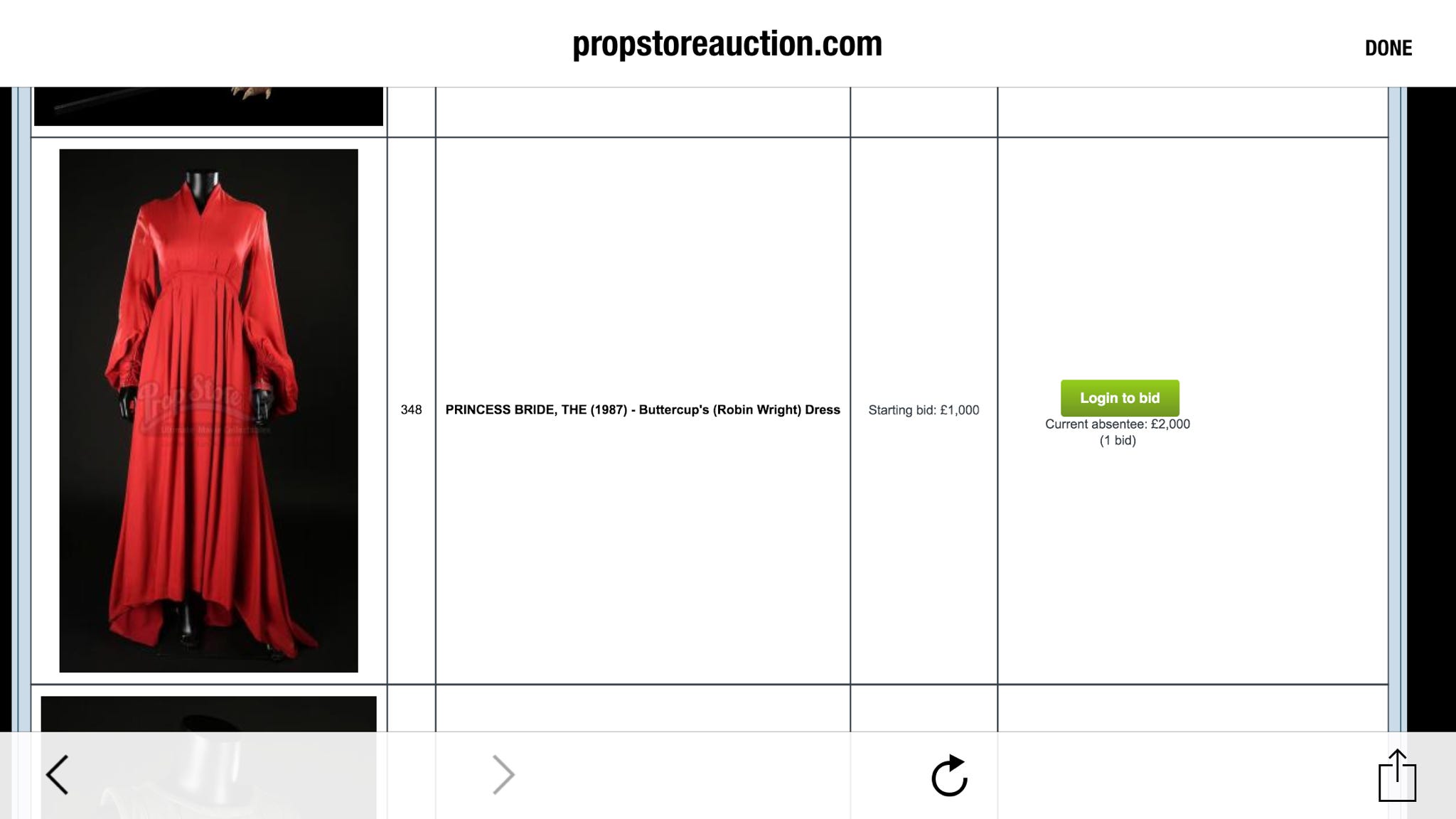
Her apartment has to be the kind of $12,000-a-month starter loft that all aspiring creatives have in romcoms when they’ve moved from Wholesomeville, Michigan to BigbadWølf, NYC. This listing is, in reality, (devastatingly in contract, probably to someone who will raze it for air rights) the icon Robert Frank’s home and studio. There are streaky skylights that signify a hardworking but relatable striver, a photo on the fridge of a peak-awkward adolescent moment, some well-placed niche design choices (a Perriand bench and Ingo Maurer pendant, a crooked Gertrude Abercrombie above the bed, a clock that says WHATEVAH and all the numbers have fallen to the bottom). In this Rom-Com-Fantasy New York, it’s in Bushwick, not on Bleecker.
Only $11,000 dollars, people! This is now a luxury real-estate roundup blog and you saw it here first. But, for real, 3 bedrooms plus a ceiling full of skylights is actually a killer deal, which is what our boy protagonist would think too with his doofus roommates that he knows from their gap year dicking around/advocating for water rights in Dakar, or studying climate change in Iceland (read: sauna-ing in Reykjavik). Later on, she’ll make some snide comment about how he affords this place on an NGO salary and he mutters something about a side hustle, to which she nods knowingly, “generational wealth.”
THE WORKPLACE
His: The Ford Foundation
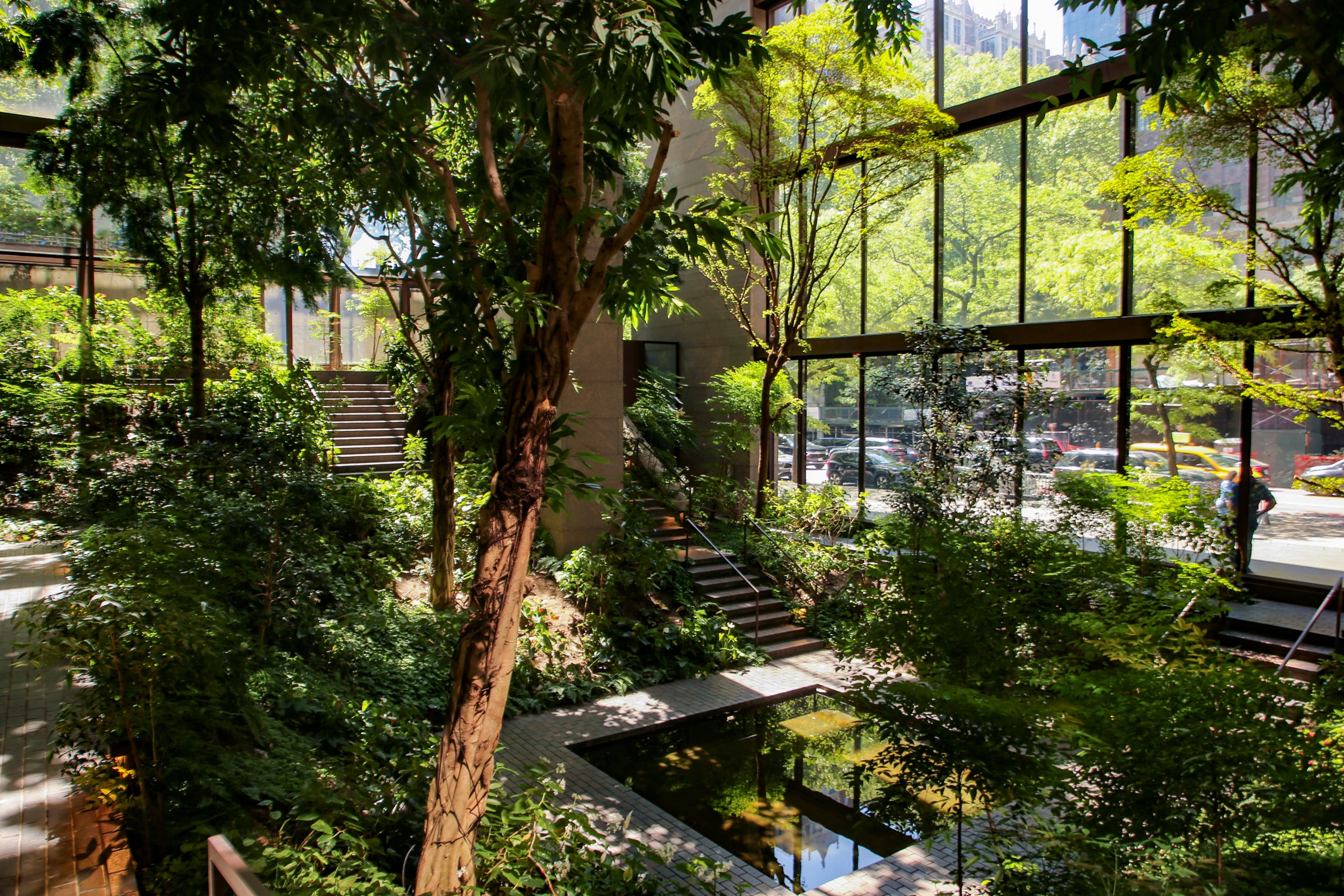
In my mind this is exactly where the boy works, a kind of old money, high-gloss NGO that implies good grades, noblesse oblige, familial expectations, a path that’s been laid out since birth. Sidwell Friends or Dalton, Deerfield or Choate, one of the softer Ivy’s (Brown or Dartmouth, Yale if he studied something useless), a philanthropic board position, a Park Ave Classic Six, a wife with shiny brown hair and a horse. He’s DIFFERENT THOUGH and you know that because he spends time in the Ford Foundation garden after hours, with his tie loosened and his hair falling from a lightly-gelled coif, reading Pessoa or William Carlos Williams.
Also: The Ford Foundation has started to abuse its position as a privately owned public space. Now you have to pre-register 24 hours in advance to see the garden and gallery. It’s only a short Google form, but still — icky gatekeeping snobbery of a space that provides tax breaks for them. Regardless, though, it’s an oasis, a verdant pleasure steppe in the middle of midtown, a botanical garden without the humidity, a feat of modernist ecodesign.
Hers: Library 180
In the golden era of rom-coms (which I suppose everyone thinks is the one they grew up on), every leading lady works in M-E-D-I-A. Andie in How to Lose a Guy in 10 Days, Jenna Rink in 13 Going on 30, Kathleen Kelly in You’ve Got Mail, Jules is a food writer in My Best Friend’s Wedding, Josie Grosie in Never Been Kissed is the youngest copyeditor at the Chicago Sun Times…. A glamorous little office, larger than a cubicle, glass bricked, Farrow & Balled, windowed, an artfully cluttered desk with a bottom drawer filled with flirty heels. She has friends there that worry about her playfully contentious relationship with her boss, someone who wants her to color in the lines when what would be best for her heart would be to zippo the crayons into a wax seal on her resignation.
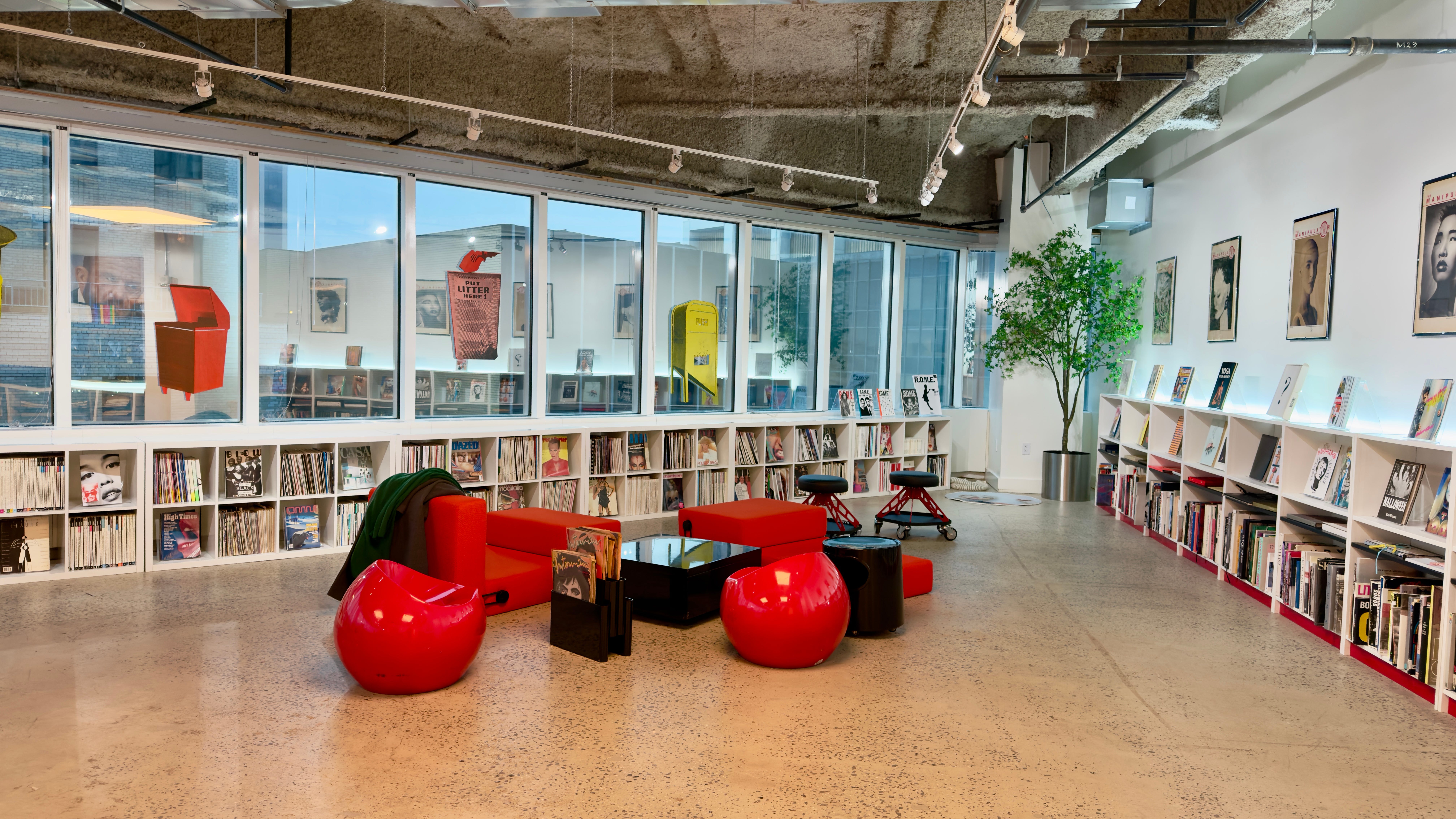
The 2026 version of the rom-com media girl is Nikki Ogol’s Library 180 opened on the 26th floor of the WSA building downtown. She’s started an archival wonderland, a place worthy of the cultural repository that magazines hold for the last century. There’s a leather bound copy of the first 10 years of People magazine, a wall of Vogues (American, French, etc), Tibor Kalman’s Colors, Interview in its absolute heyday (which I guess includes now), as well as zines thankfully not lost to history (including a deranged 80’s zine called R.O.M.E with the best in and out lists I’ve ever seen), early High Times; there’s back issue kink and porn mags in a small erotica zone separated from the rest by a curtain of red chain link. Once you’re in, you’re gloriously unmonitored (no precious white-glove nanny state here), free to play and explore, but reserve early and reserve often because slots book up months in advance.
THE MEET CUTE
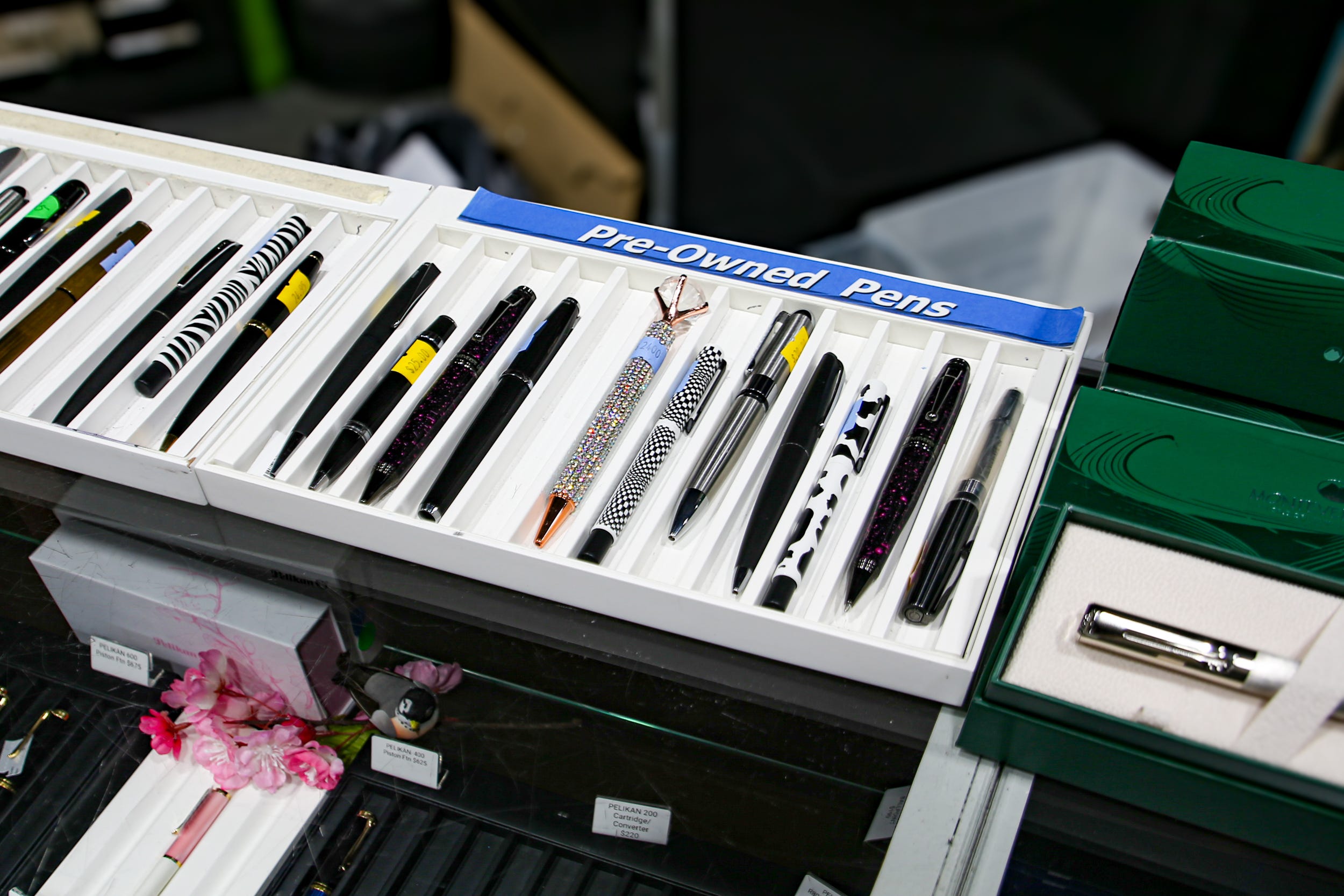
This is my dream meet-cute. In reality I prefer a scratchy Uniball, but my lady protagonist would be more particular, more discerning, preferring a Japanese ink for her inherited Mont Blanc, an heirloom from a bow-tied mentor. She, like me, would have ink stains at the bottom of all her purses, a telltale stain across her index finger, the scarlet letter of an aspiring writer. They’d meet at the Fountain Pen Hospital on a work day, the only two in a deeply niche store, what are the CHANCES? These future lovebirds are waiting at the case for a slow moving, knowledgeable clerk to get to them, both eyeing a fine nib, their fingers graze the same vintage Parker Premier at the same time, they trade “sorries” and “after you’s,” “No, no really”’s in a flustered and blushing way until he acquiesces, picks it up, and uses it to write his number across her wrist, only slightly smearing it, like lipstick after a kiss.
SPLIT SCREEN : THIRD SPACE
Hers : B&H Dairy
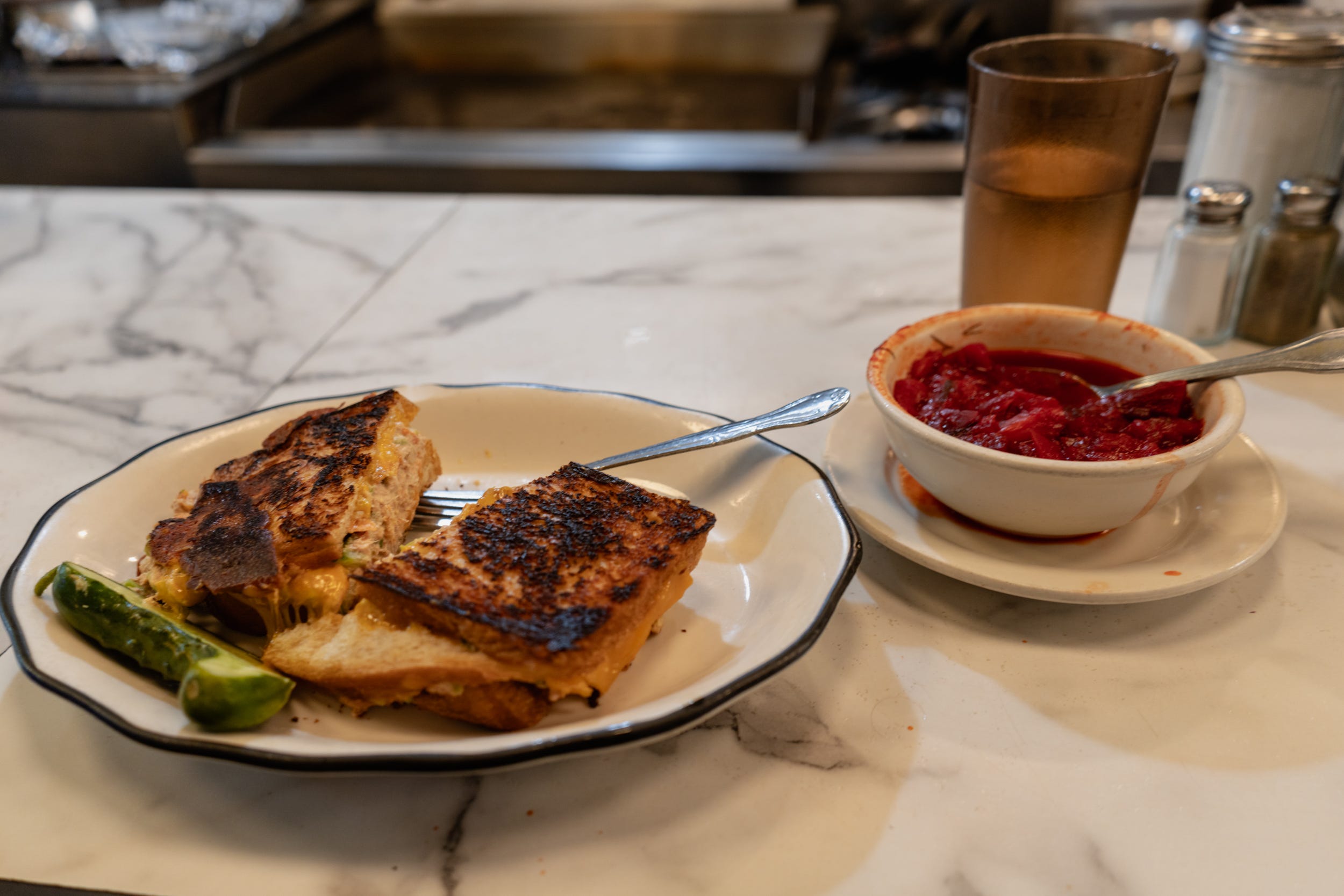
In the split screen, where she talks to her friends about this person she just met, B&H is the only real option. They know her, they know us all. It’s hot borscht with sour cream, a tuna melt with cheddar on challah, smash-griddled. There’s weak coffee and strong juice and big slices of cake. She grew up in this diner and still has her birthday party here. Has a good day order and a bad day order and then breakfast. She does as much hair acting as Sarah Pidgeon, flipping it all around, putting it in and out of a scrunchie while When Harry Met Sallying her particulars. Raphael and Bernardo are her fairy godfriends, her surrogate Dad’s and they have seen her through her share of dating horrors, and want the best for their counter-princess.
His : Cozy Royale
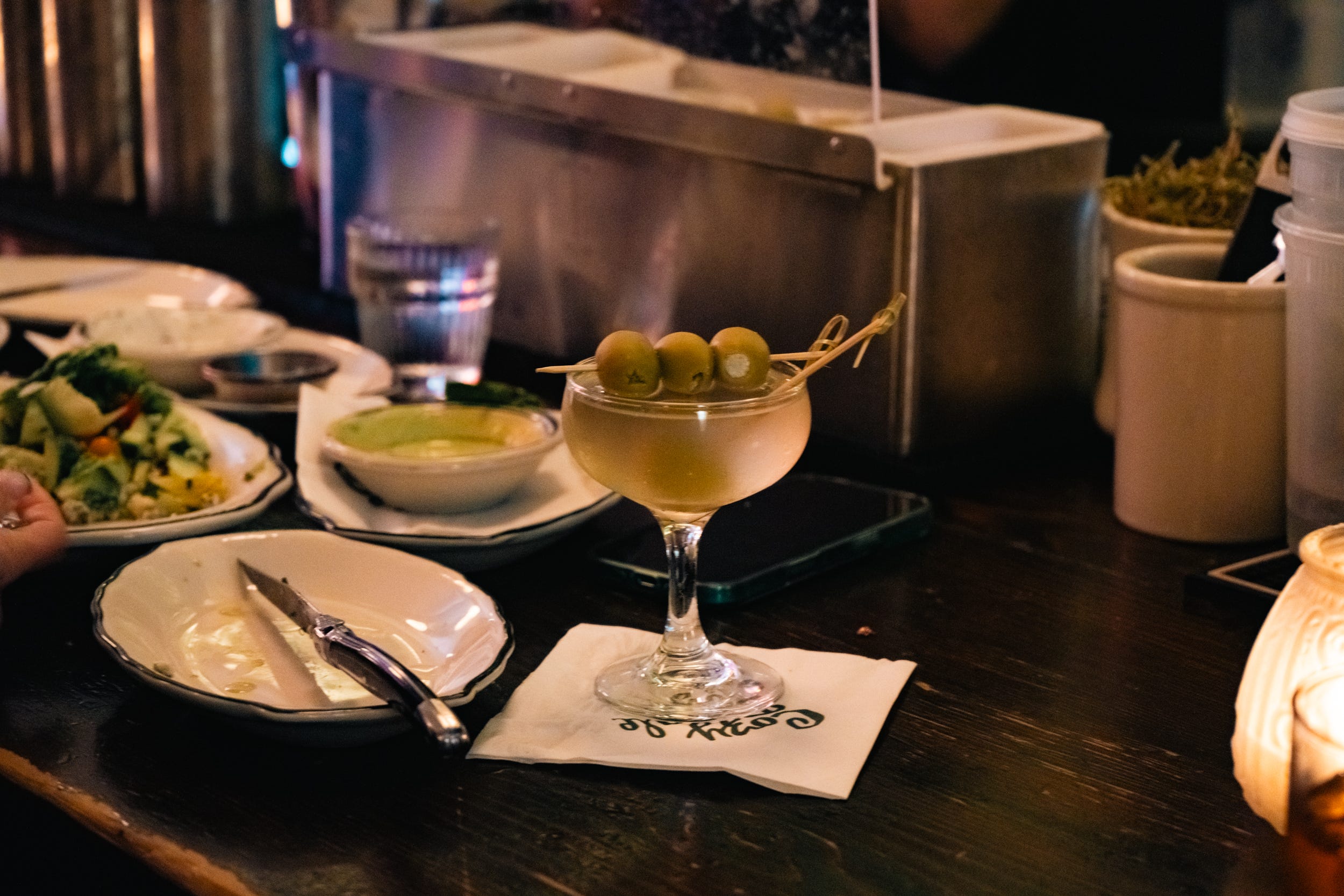
Cozy is contemporary Cheers. It has a mix of smiling and unsmiling bartenders, all of whom make delicious drinks and remember yours. Split steak frites and a kale caesar and a few photogenic martinis. It feels like an institution, but still of the iykyk variety. It’s a place for chefs and their friends, off-duty models and bartenders, glowering editors, cheeky cigs, big decisions, a detective novel at the bar, a piccata after the Mets lose. It’s where my lady character would go to ask her guy’s friends if they’ve seen him, and even if they had they wouldn’t tell her if she’d hurt him.
GETTING READY MINI MONTAGE
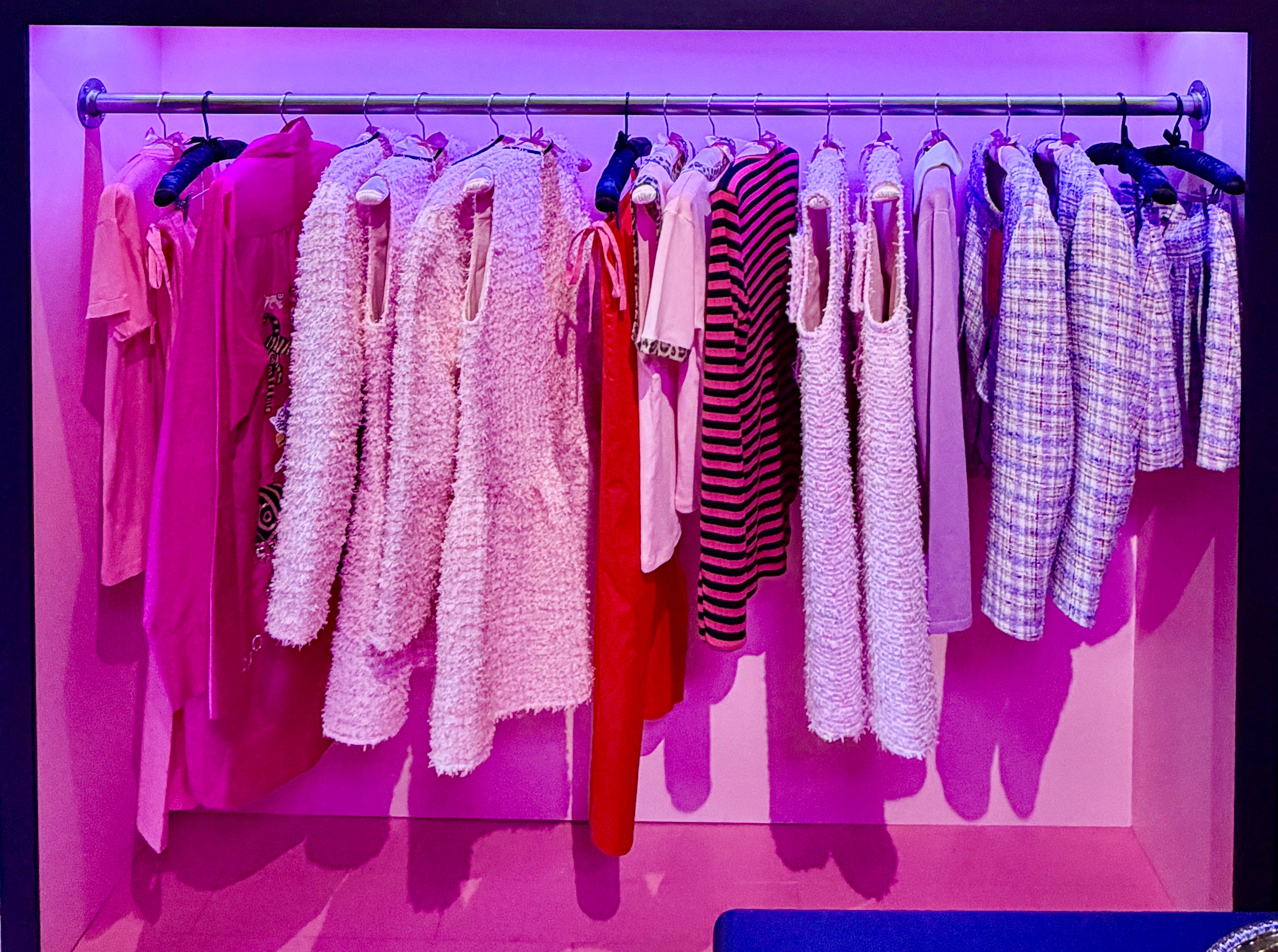
I went to Mess, tried on underthings, camis and bras and high cut french briefs that were pinned to a board like butterflies. I admired trashy takes on boucle shift dresses and pointelle long sleeves in shades of Ladurée macarons. There are Nodaletos and Italian ballet flats just shy of $400 (calfskin that would be trashed within a few blocks) and the tank top I most wanted to buy: conch pink with the collar and arms trimmed in full Looney Toons leopard. There’s a lamp built of a feather base and a shade that says “Come” in neon, like the stores maybe most obvious influence, Selena Kyle’s apartment from Batman Returns (her blinking neon sign that goes from “Hello There” to “Hell Here”). The shop was sweet as could fucking be, teeny, a jewel box, and where I would have my girl character go when she wants to get ready for a date, a place for a montage of trying things on that are fabulous but just don’t quite work until she emerges from the heavy curtained dressing room to her friends, a gaggle of Cinderellian sidekicks whose jaws drop. She's found it. The perfect outfit.
FIRST DATE
Walk over the Williamsburg Bridge
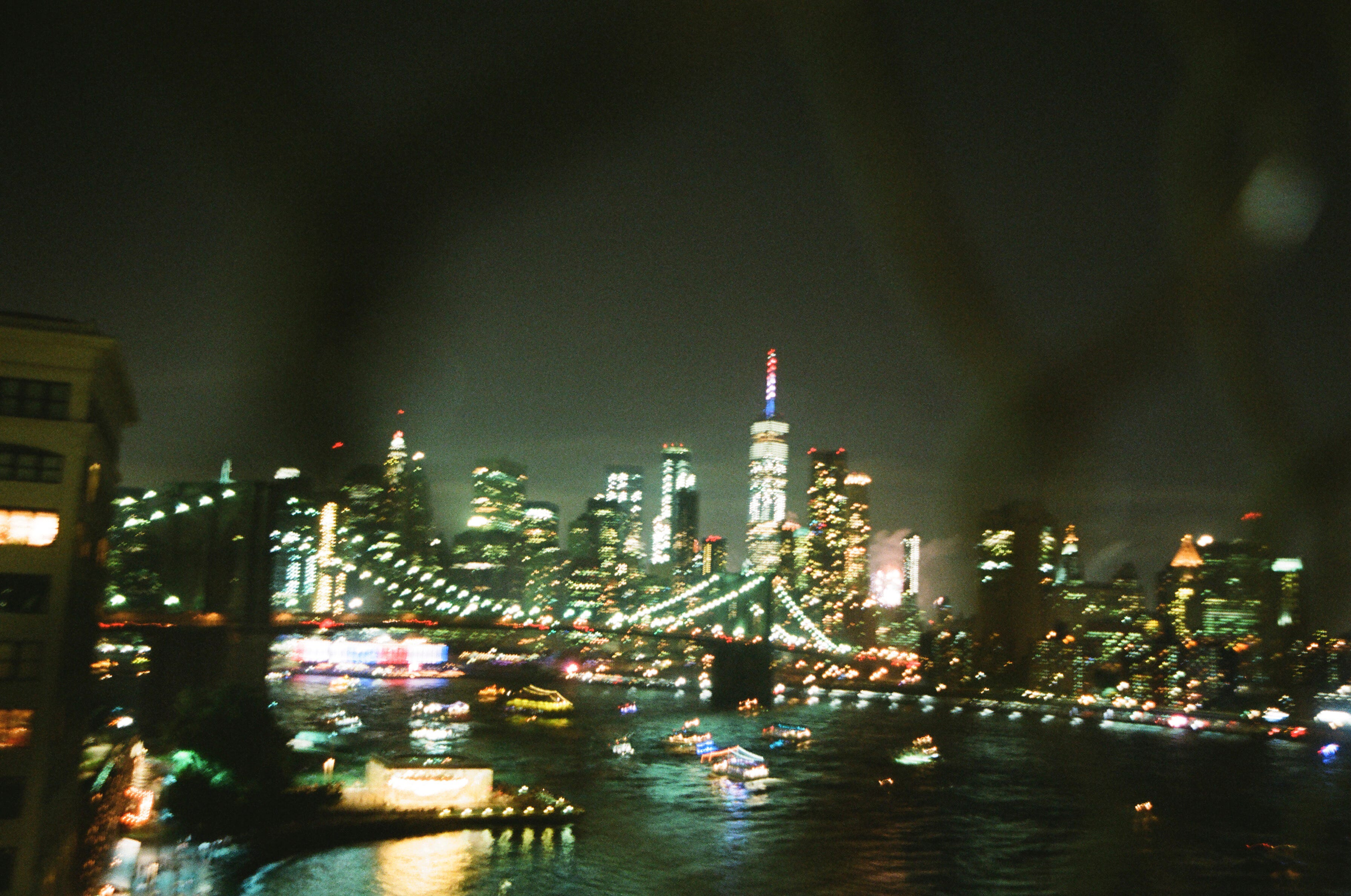
If our boy and girl were walking home from Tompkins Square, there are plenty of places to call it a night. Plenty of subway stops where they could say goodbye, descend underground, and continue on separately. Plenty of “this is me” exit points. There are always many chances to leave, and to continue over the bridge means neither person took them.
To walk from Tompkins to McCarren is almost like carving a neural path, like debuting in society; it’s a path that you could potentially run into every single person you know on. To commit to walking the bridge together says you’re ready to run out of biographical bullet points, ready to have bikers yelling ON YOUR LEFT in your ear while your phone battery dies and sweat starts to dot an upper lip. “That’s where my piano teacher lives,” she says. “I always unbuckle my seat belt before driving over a bridge in case I go over,” he says.
The graffiti at the halfway point that says CHARM. Domino Sugar Factory to your left, The Brooklyn and Manhattan Bridge to your right. There’s a personality to each of the bridges. The Williamsburg Bridge is the one that gets it done, that has a pace that one knows, and it’s longer than you think it will be, a bridge you only choose to pass if you feel confident you can keep telling stories and trying to make one another laugh through the length of it. It’s a place to get stuck together.
There’s a lot to be learned about another by how far and how long they can walk, what kind of shoes they wear, whether they carry water or remember a jacket, their appetite for novelty, for stopping to pet dogs, their stamina, tolerance for exertion, for crowds, their sense of direction, one’s internal compass. One walk over the bridge and you’ve learned more than you could in five dinner dates.
THE FIRST KISS
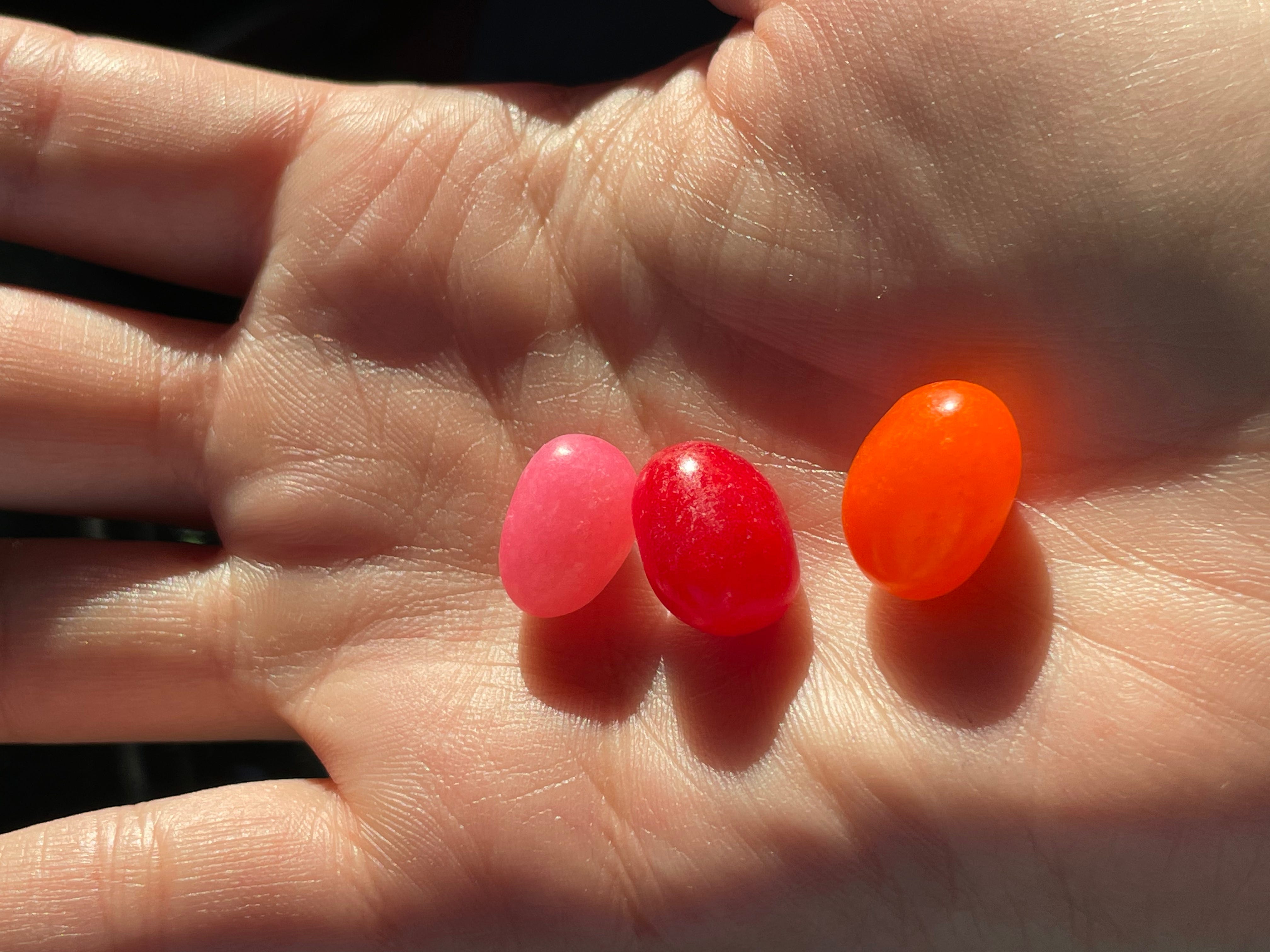
Economy Candy is a Depression-era tenement-style family business that’s turned into a sweet-tooth institution, a destination for the hard-to-find treat. I like that they offer year-round candy corn.
The boy and the girl bought a 5lb bag of penny candy in preparation for the 10:15 showing of Fallen Angels at Metrograph. Inside their knuckles brush as they bargain, make decisions, learn each other in a new space, one rife with wanting and anticipation, sugar and fizz and chaos. It’s important to learn each other’s candy profile; are you a gummy person, into sour, chocolate, or some sort of wildcard lunatic who likes rock candy or hi-chews, tootsie rolls, toffee?
Standing outside the candy shop, in the sweaty, Lower East Side light of day, he proposes that they kiss now before having to sit tortuously close for the next 99 minutes, listening to each other suck and chew, knowing they’re in the next chair, with their tongues and teeth and spit.
“Let’s just get it over with, you’re saying?”
“I’m saying let’s not wait.”
“That’s insane”
“Why?”
“Then we’ll have to sit through the whole movie knowing whether it was good or bad.”
“We’re going to see it anyway.”
“That’s not the point.”
“I’m not worried.”
THIRD DATE
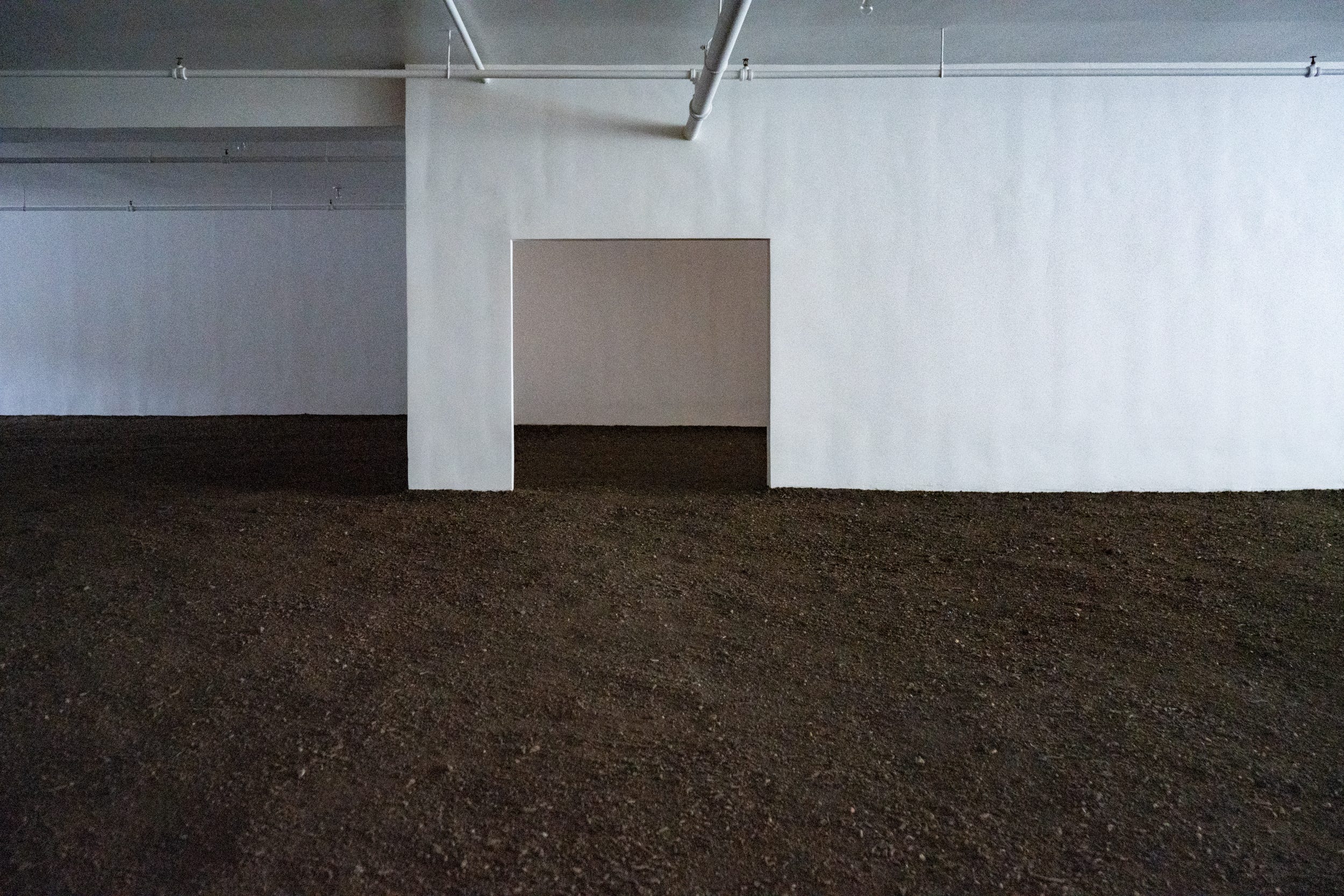
The New York Earth Room is a piece by Walter de Maria, piece being a generous or reductive descriptor, depending on your perspective. It's a giant loft filled waist-high with dark brown dirt. The docent said she’s seen caterpillars and plants grow, over and over throughout the years. The sound is damp, the light is tall and clear. I’m glad it’s there.
There’s that moment in any early date where you’re unclear on how much of an opinion is polite to share. Can you say a piece is bullshit, a performance was bad, a painting inane, a concert off-key? Can you complain about an entrance fee or a long wait or the snootiness of a receptionist? When does disappointment lead to bonding and when does it indicate a bad attitude, someone not game, brittle of spirit?
This is when she says that she loves the Natural History Museum which works as the callback for the Grand Gesture. He knows she’ll be there, looking at birds, that just being themselves already provides too much meaning, too much significance.
Falling in Love Montage
Every rom-com needs a soundtrack, they’re passing an aux cord back and forth.
McGorlick Farmers Market, buying peaches and small bundles of peonies.
Noguchi Museum, sitting in the garden, playing backgammon from a travel set.
Elizabeth Street Garden at dawn, performing a two person rendition of what they remember of A Midsummer Night’s Dream
Di An Di, huge steaming bowls of pho on a rainy night
The Joyce, to see an experimental puppetry performance
Spa Castle, napping next to each other on heated mats in their uniforms and sheet masks.
Mmuseumm, pointing to the micro exhibit inside the elevator shaft, giggling.
Cherry Lane Theatre, he lights her cigarette with the cherry of his.
Westbeth Gallery, trying to unlock their bikes from a cluster of others.
Bamontes, her refusing to recreate a Lady and the Tramp moment with their spaghetti, him nudging a meatball towards her with his nose.
Rockaway Beach, he’s teaching her to surf. She can barely swim.
The Ikea Ferry, they’re each carrying a bursting blue tote on each shoulder.
Nightmoves, the floor lights up, a kind of fluorescent checkerboard, and they’re in the ecstatic throes of some deep-night DJ.
As a director of my imaginary rom-com I know my producers hate me for this. We’ll need a second unit to rival John Wilson’s shooting FOURTEEN locations where all that happens is two people hold hands, make out, laugh, linger, eat, talk and talk and talk and talk.
THE FIGHT
The back of a taxi over the Williamsburg Bridge
There’s nothing more vicious, more awful, more gut-churning than a fight with the person you love. In rom-com’s, the fights are often about some kind of wager that disingenuously brought them together, a blockage or defense mechanism that’s preventing one from fully embracing this once-in-a-lifetime love that’s presenting itself, an act now or lose me forever ultimatum.
In reality, fights are often mundane, technical, riddled with complications of attempting to merge two lives into one stuff sack of a nebulous and new one, details tangling like headphones in a purse. A text can be overseen, an omission misinterpreted, an old love can destabilize a budding one, a flirtation that feels like betrayal, a disclosure that came too late, a snub that feels invisible or trivial to the perpetrator. You show up late to meet their parents, drink too much, come home late, forget their friend’s name, yawn at the wrong time, a comment that comes out cold or harsh, a misstep that feels like a message.
New York City has the advantage of having on-call silent referees dispatched through any ride-sharing app 24 hours a day, a kind of medallion-carrying Orna Guralnik to supervise a row. Inevitably both parties believe that in their silence the driver is vigorously agreeing with them and in disbelief at the meritless stance of the other, and that’s important. There’s a way that the city looks, crossing the bridge into Brooklyn through tears, a dark brocaded romance that carves its way into your memory differently; see also: vaseline on a lens, rain on a windowpane, gifts from a happier time, the smell of cigarettes on hands.
THE MISSING YOU MONTAGE
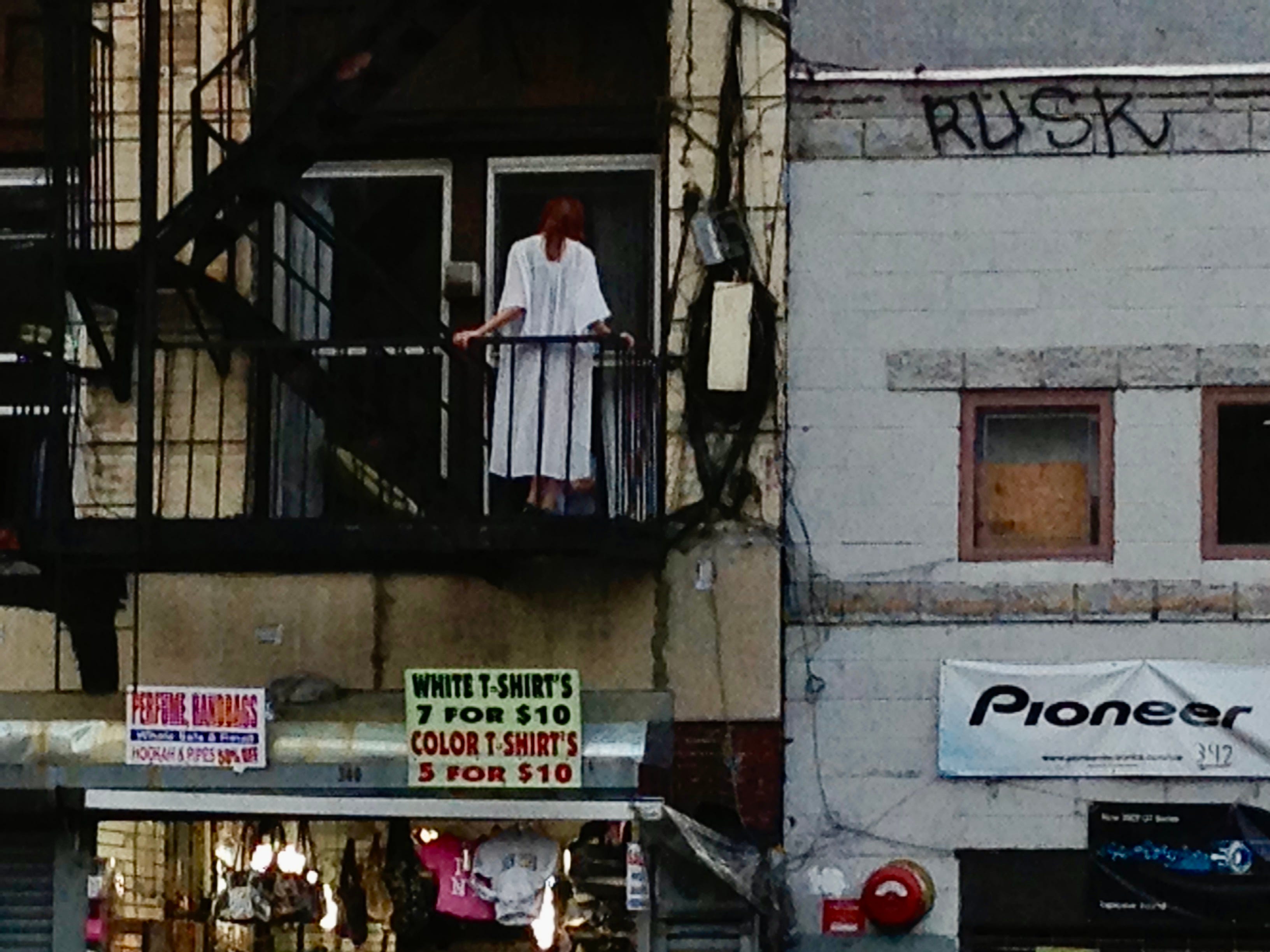
Sometimes you break something precious. Haven’t we all been Lenny, squeezing the mouse to death in our big, clumsy love paws. We’re furious at ourselves, and that fury comes out sideways, somehow, directly pointed at each other. You fight till you’re hoarse and say terrible things, or nothing at all, an avalanche of things to regret in the future, and then cut to black, somehow it ends. It’s over? A thing can be built where nothing was before, a kind of immaculate conception, sure, there was a time when you didn’t know each other, but somehow now that feels incorrect, try as you might — you’re only on vague terms with the person you were before and can’t imagine returning, to what was once a neutral and now is a loss. In my story, this boy and this girl just cannot work it out, and to everyone else it seems like they could. But maddeningly the only obstacle is how fucking hard it is to be a person, to be two people, to be two people who keep choosing to try to be people next to each other, or fine, let’s just say it, with each other.
The city becomes haunted, memories chase you from one landmark to the next. Theaters, restaurants, pocket parks, become off-limits, whole areas of the city where you can’t go or go too often, pitifully, because it’s their territory, a battle-scarred landscape that is now mediated by the committee of common breakup decency, a gentleperson’s detente. There are songs for this. We live in a time where yearning has become fetishized, getting your guts rearranged a badge of honor, being a weepy, pathetic, mascara-rung mess a sign of having loved and lived, a kind of heat and height that the robots will never take from us.
Soho at night is good for this. No one lives here, there’s no reason to be here, and one can wander the streets, cobblestoned, wide, the blank, expensive stores and bishops’ crook street lamps providing pockets of light in between stretches of dark, where one can cry and take facetimes on speaker in peace.
THE MISSED CONNECTION
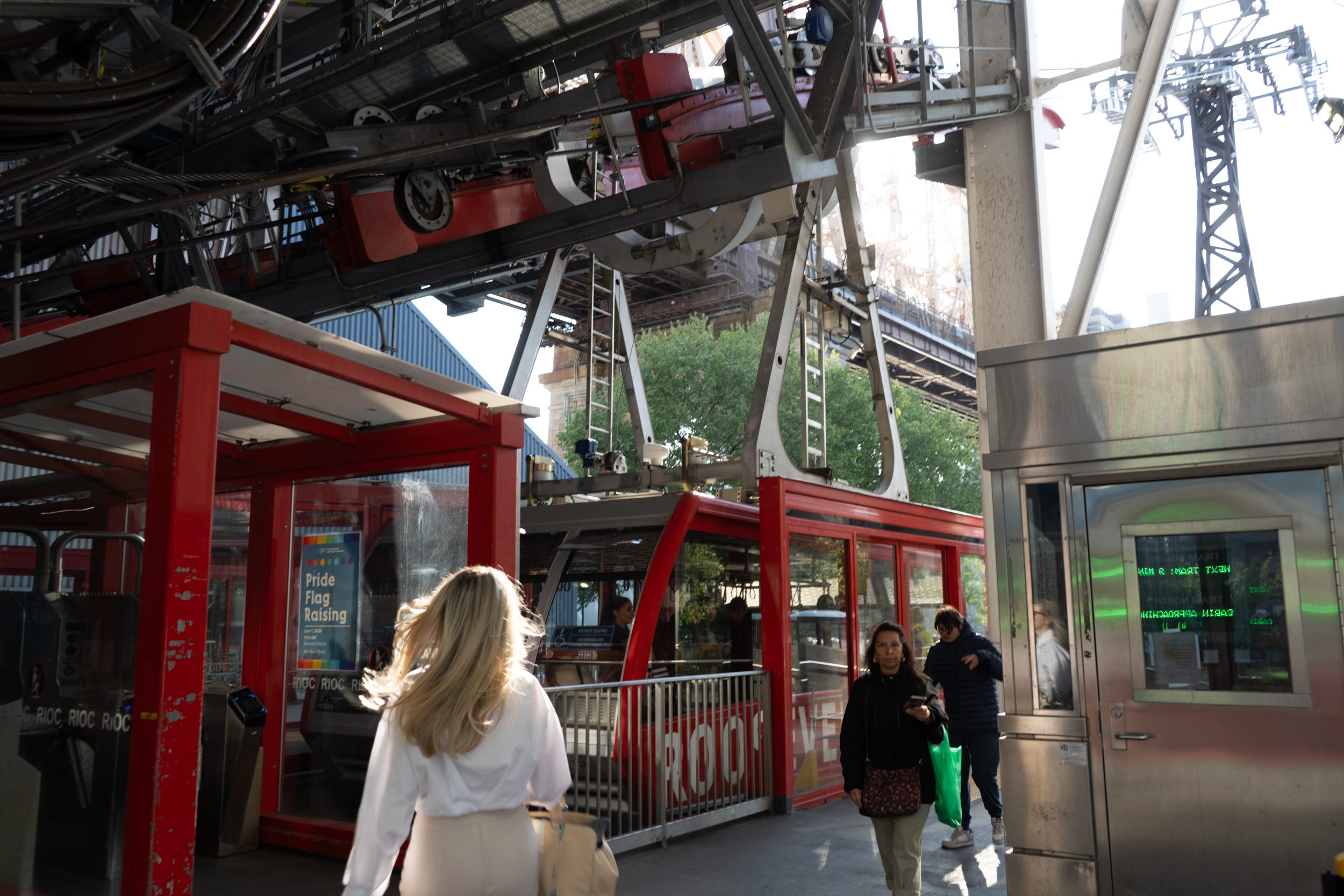
They’ve already broken up. They’ve spent weeks apart. She boards the tram to see her eccentric auntie who has lived on Roosevelt Island since “before the wall fell.”
She’s finally started making steps towards a life post-boy. She’s run out of the first week specials of half a dozen pilates studios. She’s gone to a paint and sip, a day rave, a psychic in Jackson Heights. In short, she’s given up a fair amount of dignity and sanity, but privately is still holding out a twinkling, delusional hope that they’ll reconcile. He is drinking heavily, pushing people away, insisting he’s fine. He’s bought a motorcycle. On the record they’ve been avoiding each other, unofficially they’ve been trying to stage the most organic and unsuspicious of run-ins at places that might be natural enough for the other to find themself.
The Roosevelt Island Tram, like the ferry, is more amusement park ride than public transportation, even though unlike the ferry you can board it using your metro card with no external system or cost. People pile in, a New Yorker cartoon of a clown car, an absurd transfer that is sometimes offered as a way to get to the M but would be like transferring through the Chelsea Pier trapeze school to get to the 7. She’s pressed at the front of the tottering ornament, going up over the Cyclone-like crescendo of the Queensboro Bridge, and she sees him on his motorcycle. Against all odds, he looks up, and sees her too. She waves, he waves back, and there’s nothing to do. She’s going in one direction and he’s going in the other.
THE GRAND GESTURE
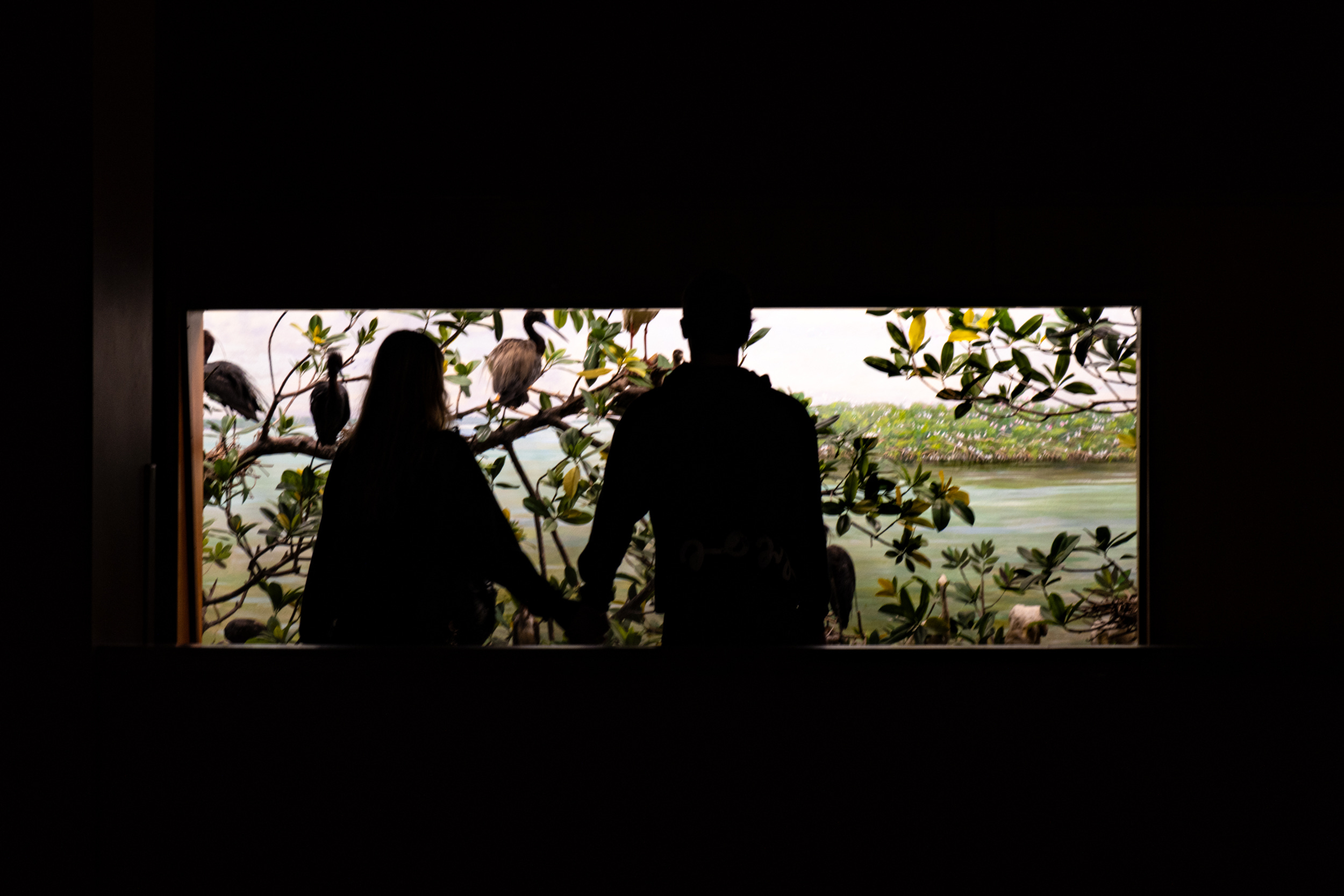
The Grand Gesture is a scene that is a kind of romantic callback. The museum is maybe a date or maybe a thing that she says, breadcrumbing her vulnerability, her sensitivity, the quirks that make her different.
I’ve always loved the Hall of North American Birds at the NHM. The Labrador Duck, The Peregrine Falcon, whooping cranes, condors, songbirds. They’re little dioramas. Birds are the creatures we have borrowed the language of love from. We peacock to and for each other, we nest, we brood, we mate, we return to each other.
In my rom-com she would tell him how much she loves birds and how because she didn’t grow up in the city she didn’t have a personal experience with the museum’s actual exhibits but that she loved From The Mixed-Up Files of Mrs. Basil E. Frankweiler, and when she moved to the city she would go to walk around alone, to let her imagination wander, to feel a part of something bigger and to feel delightfully, deliciously small, to learn from the gemstones that they’re made from the same elements that we find in the bones of bats, to look at the spoons carved from eagle talons from the Northwest Coast Hall, to the dyed vertebrae of seahorses, and a purple geode that weighs as much as four full-grown rhinos and is just bursting with little aster-colored crystals, grown in slumber, forged in fire.
THE FINAL KISS
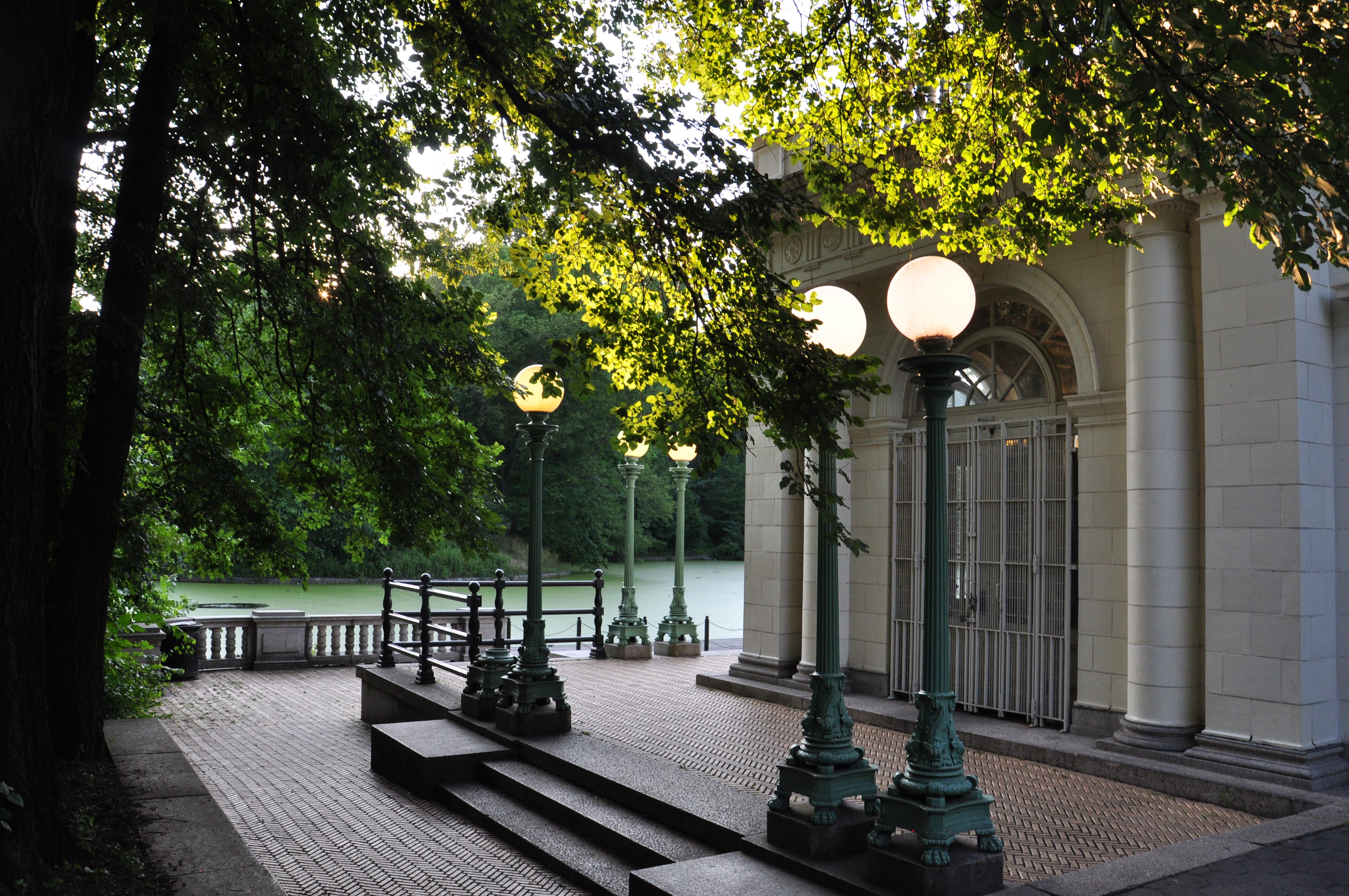
This is where the movie ends. When they’ve worked through their shit, for better or for worse. There’s steps for fighting, shade for bickering, a cove for feeding the ducks rolled oats, there’s a curlicued bridge for contemplating an engagement ring, ready to say YES or throw it into the algae, or cry into a locket balled in the oyster of a palm; for the flash forward when her baby bump is peaking through a coat, and then in the spring when there’s a baby bouncing on a hip, There’s enough passersby to stay anonymous, and public enough to keep your tears to an elegant drip rather than an ugly sob.
I envision a scene here where they’re at their wit’s end, where it’s not clear if love will be enough, and often, in truth, it isn’t. A place where even if hope is lost there’s a sense that in the future there will be things to enjoy; a good party, a new friend, a breeze coming through a window that wakes you from a nap, and in these moments you will be happy, even if you can’t imagine it now, can’t imagine it without them, but this boathouse has probably known lots of those moments, seen Victorian men and women through their heartbreak, and stood waiting for the new ducks to be born, year after year.
xoxo,
This was one day, one way through. I’ve been mapping other days — different cities, different themes. If this guide worked for you, please follow along. There will be more.
going to recreate the falling in love montage with my friends bc elizabeth st garden at dawn??? perfect.
Oh my god it hurts so bad (amazing read I loved it)